Winterizing Your Home

How do you winterize your home? Protecting your home can be as easy as remembering the Five P’s for the winter. People, Pets, Pipes, Plants, and Pool. Making sure everyone in your family is safe from the cold including our furry family members. It is important family and friends follow this guide to stay safe during the winter.
People
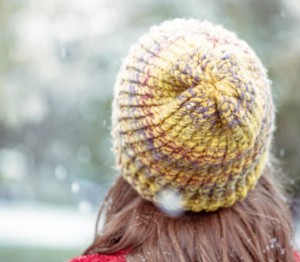
During cold snaps it’s important to remember to cover your head and extremities as they are the most likely to suffer from the cold. Keep your home warm and comfortable, and if you have two stories, follow the heat and be smart about warm and cold zones. Avoid going outside when possible, and keep appropriate extra clothing with you if you need to go outside.
Pets

Bring pets indoors! If it’s too cold for you, it’s too cold for your pet! Pets are smaller than us and have less overall body heat, therefore are more likely to succumb to hypothermia despite their fur. Bundle your dog or cat in sweaters and add extra blankets to their bed. Insulate the outdoor pet areas and create warm areas for your dog or cat.
Pipes
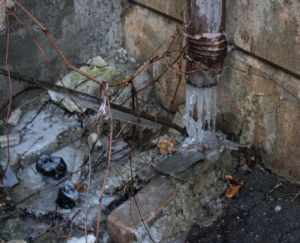
When water freezes, it expands and can cause broken pipes and result in costly bills from the lost water. Open kitchen cabinets and bathroom sinks to allow warm air to reach the pipes. This can help prevent pipes from freezing and causing damage that leads to costly repairs. Disconnect drain hoses from outdoor spigots. Home improvement stores usually offer protective coverings for outdoor pipes. If you have an irrigation system, make sure your lines are cleared of water. Most irrigation specialists offer a blowout service to clear the line of standing water to ensure the prevention of costly damage.
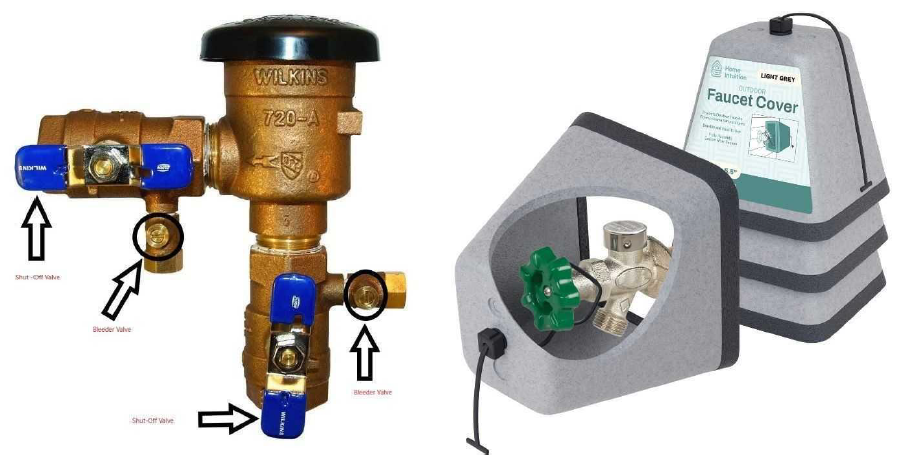
Irrigation shut off valves and backflow devices often cause the most common issues during a hard freeze. Not all irrigation systems are the same. On most common irrigation systems, these steps may be taken:
- Turn off the shut-off valve. Most residential devices have two shut-off valves. These are typically covered in blue on the valve handles and located before and after the back flow device.
- Release the water pressure, with a screwdriver release the water from the bleeder valves (circled in black on the image). The bleeder valves are usually located under the top of the backflow device. If the water does not stop flowing, you may not have shut the valves off completely.
- Leave the smaller bleeder valve open, this will let the any remaining water in the line expand without breaking the device.
Plants
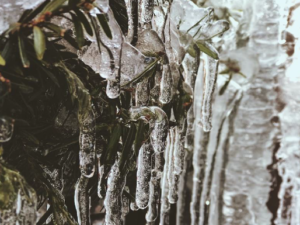
Insulating, fertilizing, and watering are the best ways to prepare your plants for winter cold snaps. Cover large plants with sheets to protect and insulate them from the cold and insulate the roots with fallen leaves or bark. Use fertilizer designed for cold weather to nourish your plants, and water plants a couple times a week to prepare them for cold season. Cold plants don’t always need as much water as they do in the summer, so keep an eye on soil moisture levels during the winter just as you would the summer.
Pool

Running the pumps 24/7 is an important step in keeping the water circulating and preventing freezing. Frequently clean debris from the skimmer and talk with your pool specialist about winterizing and any chemical alterations that may be required for your pool.
Extra Safety Tips:
- Always keep your gas tanks full.
- Check tire pressures and ensure they are at the right pressure.
- Always keep blankets, jumper cables, and a phone charger in the car in case of emergency.
- Check local road conditions at www.houstontranstar.org. State highway information is also available at www.drivetexas.org.
- Never leave a space heater unattended.
- Don’t overload outlets or breakers.
- Do not power space heaters with extension cords or power strips.
- Do not leave candles or the fireplace burning unattended.
- Always turn off space heaters when unattended or going to sleep.
- Never use an oven or stove to keep your home warm.
Happy Holidays!
Did you find this article helpful? Your neighbors and friends might too. Spread the news via Facebook, X & Nextdoor!