
Storm Debris Removal

Due to the effects of Hurricane Beryl, Fort Bend County Road & Bridge is coordinating the collection and removal of disaster debris within Fort Bend County. Fort Bend County Road & Bridge will begin debris collection and removal beginning early next week. In order to recycle as many materials as possible, residents are asked to separate disaster debris into the following piles:

  • Construction and Demolition Materials
  • Electronic Waste
  • Household Hazardous Waste
  • White Goods
  • Vegetative materials (trees, limbs, brush, leaves, etc.)

DO NOT MIX OR PLACE NORMAL HOUSEHOLD TRASH WITH STORM DEBRIS CURBSIDE

Normal Household Trash – normal household waste, recyclables and bagged debris of any kind will not be collected with your storm debris. Please continue to follow your normal garbage removal schedule.

Please note that this operation is ONLY for disaster debris. Please do not attempt to place garbage or other household refuse with the disaster debris, as it will not be accepted, and will delay your storm debris collections. Regular trash removal services in the community will continue as scheduled.

Please place the debris piles at the curb in the public right-of-way (not in ditches) in front of your home or business as soon as possible. Please do not block any public utility such as fire hydrants, water valves, road signs, etc. If properly separated, it will be picked up by crews.

Fort Bend County | Hurricane Beryl Recovery Information

Winterizing Your Home

How do you winterize your home? Protecting your home can be as easy as remembering the Five P’s for the winter. People, Pets, Pipes, Plants, and Pool. Making sure everyone in your family is safe from the cold including our furry family members. It is important family and friends follow this guide to stay safe during the winter.

People
During cold snaps it’s important to remember to cover your head and extremities as they are the most likely to suffer from the cold. Keep your home warm and comfortable, and if you have two stories, follow the heat and be smart about warm and cold zones. Avoid going outside when possible, and keep appropriate extra clothing with you if you need to go outside.

Pets

Bring pets indoors! If it’s too cold for you, it’s too cold for your pet! Pets are smaller than us and have less overall body heat, therefore are more likely to succumb to hypothermia despite their fur. Bundle your dog or cat in sweaters and add extra blankets to their bed. Insulate the outdoor pet areas and create warm areas for your dog or cat.

Pipes
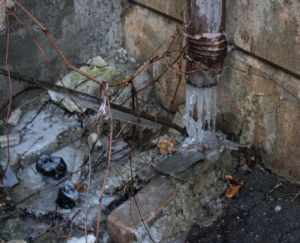
When water freezes, it expands and can cause broken pipes and result in costly bills from the lost water. Open kitchen cabinets and bathroom sinks to allow warm air to reach the pipes. This can help prevent pipes from freezing and causing damage that leads to costly repairs. Disconnect drain hoses from outdoor spigots. Home improvement stores usually offer protective coverings for outdoor pipes. If you have an irrigation system, make sure your lines are cleared of water. Most irrigation specialists offer a blowout service to clear the line of standing water to ensure the prevention of costly damage.

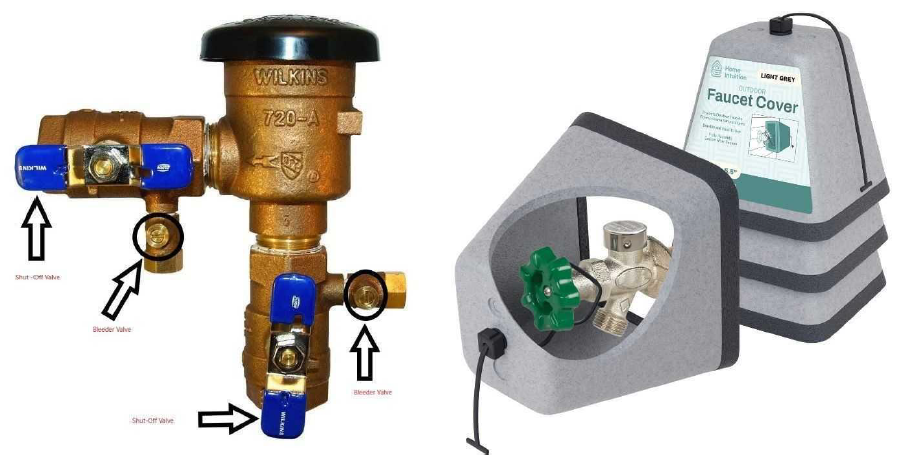
Irrigation shut off valves and backflow devices often cause the most common issues during a hard freeze. Not all irrigation systems are the same. On most common irrigation systems, these steps may be taken:

  1. Turn off the shut-off valve. Most residential devices have two shut-off valves. These are typically covered in blue on the valve handles and located before and after the back flow device.
  2. Release the water pressure, with a screwdriver release the water from the bleeder valves (circled in black on the image). The bleeder valves are usually located under the top of the backflow device. If the water does not stop flowing, you may not have shut the valves off completely.
  3. Leave the smaller bleeder valve open, this will let the any remaining water in the line expand without breaking the device.
Plants
Insulating, fertilizing, and watering are the best ways to prepare your plants for winter cold snaps. Cover large plants with sheets to protect and insulate them from the cold and insulate the roots with fallen leaves or bark. Use fertilizer designed for cold weather to nourish your plants, and water plants a couple times a week to prepare them for cold season. Cold plants don’t always need as much water as they do in the summer, so keep an eye on soil moisture levels during the winter just as you would the summer.

Pool

Running the pumps 24/7 is an important step in keeping the water circulating and preventing freezing. Frequently clean debris from the skimmer and talk with your pool specialist about winterizing and any chemical alterations that may be required for your pool.

Extra Safety Tips:
  • Always keep your gas tanks full.
  • Check tire pressures and ensure they are at the right pressure.
  • Always keep blankets, jumper cables, and a phone charger in the car in case of emergency.
  • Check local road conditions at www.houstontranstar.org. State highway information is also available at www.drivetexas.org.
  • Never leave a space heater unattended.
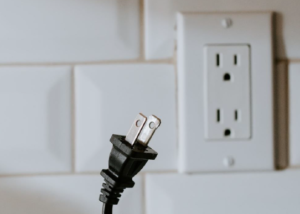
  • Don’t overload outlets or breakers.
  • Do not power space heaters with extension cords or power strips.
  • Do not leave candles or the fireplace burning unattended.
  • Always turn off space heaters when unattended or going to sleep.
  • Never use an oven or stove to keep your home warm.

Happy Holidays!

Did you find this article helpful? Your neighbors and friends might too. Spread the news via Facebook, X & Nextdoor!

Fort Bend MUD 128: Burn Ban in Effect

As of August 8th, Fort Bend County Commissioner’s Court unanimously approved a 90-day outdoor burn ban for all areas of Fort Bend County. This includes residents of Fort Bend MUD 128. This ban means that no residents can burn or order another to burn any material outside of an enclosure designed to contain and capable of containing all flames, sparks, embers, cinders and ash produced by burning.

During drought conditions, the Fort Bend County Fire Marshal can recommend adopting a burn ban order in all areas within Fort Bend County. With Commissioner’s Court approval, officers of the Fire Marshal’s Office can issue citations for any outdoor burning in the county found to be in violation of a burn ban.

The Fort Bend County Fire Marshal’s Office works in coordination with the 21 Fire Departments, Fort Bend County Sheriff’s Office, Fort Bend County Constable’s Offices, Fort Bend County Environmental Health Enforcement Unit, and the Texas Commission on Environmental Quality (TCEQ) to educate county citizens about the outdoor burning regulations and to enforce the state laws governing outdoor burning.

If you have any questions regarding outdoor burning, please contact the Texas Commission on Environmental Quality (TCEQ) and/or Fort Bend County Environmental Health Enforcement.

Find more resources here:
https://www.fortbendcountytx.gov/government/departments/public-safety/fire-marshal/outdoor-burning

Fort Bend MUD 128: Protecting Your Pipes for Winter

We Texans know how to bundle up when it gets cold out there. Gloves, hats, scarves, jackets and boots are a necessity for warm-blooded Texans when the temperatures begin to drop. Likewise, have you considered bundling up your home in preparation for the cold? Extra steps should be taken to protect your pipes in order to prevent them from cracking or breaking during the winter season.

How should I winterize?

Draining the pipes prior to cold weather is usually a good idea, as water that isn’t moving can freeze within the lines and cause them to crack. If you plan to winterize yourself, take care to insulate all pipes that are exposed to the weather. Use pipe insulation foam to wrap around your pipes and secure with strong tape. Other methods include using rags or towels to wrap the pipes; however, the insulating foam that is designed to do the job is your best bet. An insulating foam faucet cover can be used to protect outdoor faucets as well. Any exposed pipes, especially those that run along walls and outside, should be winterized against the elements. Ambient temperature can drop in places you might not notice, such as your attic, and cause damage when they freeze.

What about my sprinkler system?

For the coldest months we want to be sure we are protecting our sprinkler system. Most sprinkler installation and repair companies offer a sprinkler blowout service. Essentially, blowing out any standing water and draining the underground pipes, reduces the risks of major damage to your system.

Do I need to winterize my pool?

Even in Texas, you will need to take some steps to ensure that your pool equipment stays functional during winter. This includes modifying the amount of chemicals you add to the water, increasing the frequency of cleaning out the skimmer and pump strainer, installing freeze protection equipment and/or running your pump 24/7 if you know there will be a freeze.

Does the temperature inside my house make a difference?

Yes! Aside from comfort, its good practice to have your home warm prior to a big freeze. Open cabinets or leave them slightly ajar so that warm air can circulate around pipes that run through them. This will protect the pipes within the house. When we know a freeze is coming, it’s not a bad idea to go ahead and turn the heat up to a comfortable level.