Weather Preparedness
The District has been actively monitoring forecasts for the upcoming winter storm. If there is a disruption regarding water supply or wastewater treatment, a notice will be posted to the district’s website.

The District has been actively monitoring forecasts for the upcoming winter storm. If there is a disruption regarding water supply or wastewater treatment, a notice will be posted to the district’s website.
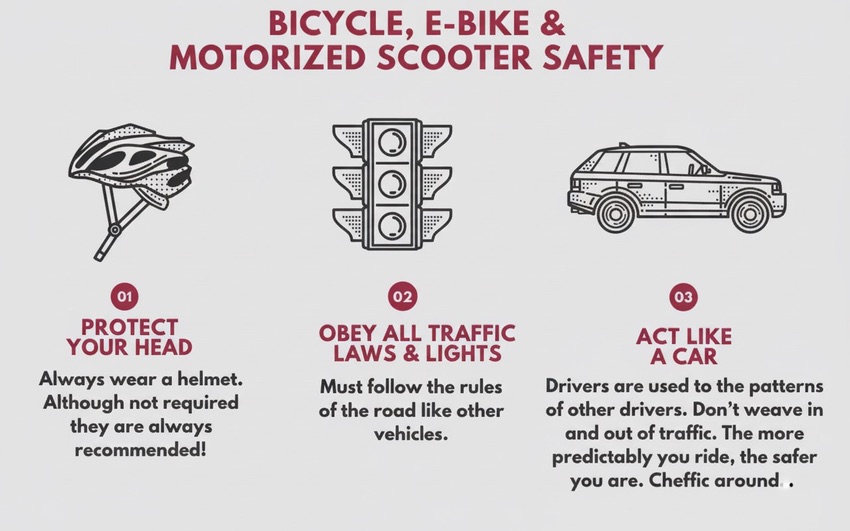
Electric scooters have become a familiar sight across Texas neighborhoods, offering kids and teens a fun and fast way to get around. However, local officials are reminding families that while e-scooters are convenient, they are not toys, and crashes can lead to serious injuries, particularly when riders skip safety gear like helmets.
Safety experts urge parents to talk with their children about rules of the road, personal responsibility, and the importance of following traffic laws. Under Texas law, all riders on public roads must obey the same traffic regulations as other vehicles, including signaling turns and observing posted speed limits.
According to the Texas Transportation Code §551.352, motor-assisted scooters can operate on certain roadways and sidewalks, but with restrictions:
Officials note that many major roads in the area exceed the 35 mph limit, meaning scooters are best suited for residential neighborhoods and designated bike paths.
Whether you’re a parent, a teen rider, or simply sharing the road with scooters, the message is the same: Ride smart, follow the law, and put safety first.
As Texas winters become increasingly unpredictable, taking steps to prepare your home for the colder months is more important than ever. Simple, preventative measures now can protect your property, improve energy efficiency, and help you avoid costly repairs. Here are eight practical ways to get your home “Winter Ready”:
By following these steps, you’ll protect your home and ensure the comfort and safety of everyone inside. For further updates on local weather or impacts to municipal facilities, check the Fort Bend County Municipal Utility District No. 128 website regularly.
Share these tips with your neighbors to help your community thrive throughout the winter season.
Did you find this article helpful? Your neighbors and friends might too. Spread the news to Facebook, X & Nextdoor!
As temperatures begin to drop, homeowners should take time to prepare their plumbing systems for cold weather. Frozen and burst pipes are among the most common—and costly winter home repairs. They can cause water loss, structural damage, and unnecessary strain on the community’s water system.
Taking preventive action before the first hard freeze can save time, money, and frustration later. Here’s what you need to know about why pipes freeze, how to protect them, and what to do if one does.
When temperatures fall below freezing, the water inside pipes can solidify. As it freezes, water expands and creates pressure inside the pipe walls. If the pressure becomes too great, the pipe can crack or burst—sometimes in multiple locations.
The risk is highest for:
Even a small crack from a frozen pipe can release hundreds of gallons of water once thawed. This not only causes damage inside your home but also increases demand on the local water supply and wastewater systems.
Inside your home, simple steps can prevent freezing:
Outdoor plumbing and irrigation systems are especially vulnerable to cold weather:
If you turn on a faucet and only a small trickle of water comes out, it could mean a pipe is frozen.
Here’s what to do:
If a pipe bursts, immediately shut off your home’s main water valve and call a plumber or your local water utility for emergency assistance.
If you plan to travel or own a property that won’t be occupied this winter:
When individual homeowners protect their plumbing, it benefits the entire community. Burst pipes can lead to large, sudden water losses that lower system pressure and increase treatment costs for everyone. During hard freezes, multiple leaks can also strain your Utility District’s infrastructure and water supply.
By taking steps to insulate, drain, and protect your plumbing, you help:
Stay warm, stay prepared, and protect your pipes this winter.
Winterizing your plumbing system is one of the most effective ways to safeguard your home and contribute to the reliability of your community’s water system. With a few hours of preparation now, you can prevent days—or weeks—of inconvenience and expensive repairs later.
For more information on water safety, leak detection, and emergency contact information, please visit your local Utility District’s website or contact the District office.